

|
Lecane papuana
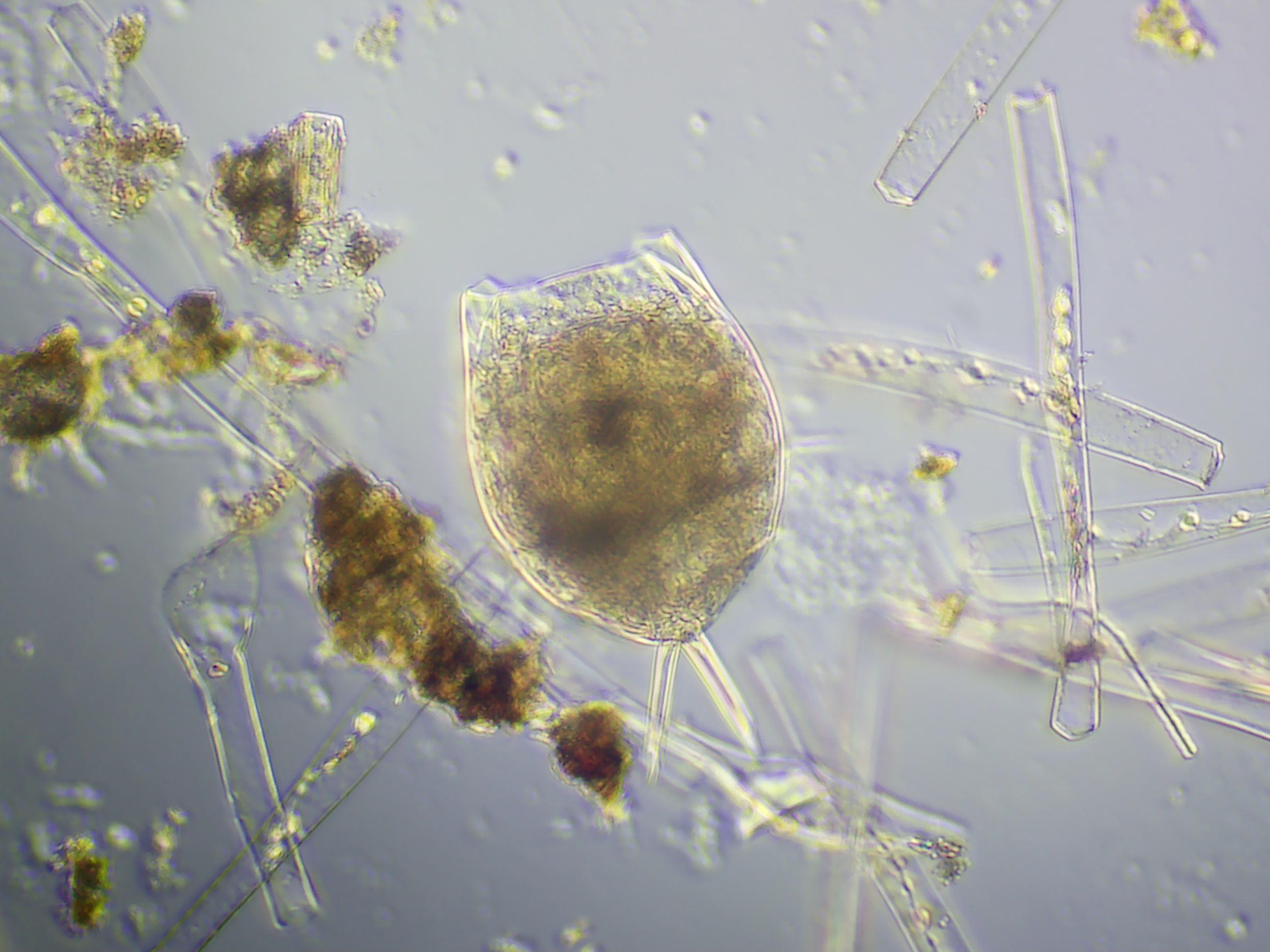
Lecane papuana Lecane papuana is a species of littoral rotifer (Family Lecanidae) recognized for its presence in tropical, subtropical, fresh inland waters. It is frequently found in tropical aquatic systems and is often used as a model organism in ecotoxicological studies due to its sensitivity to heavy metals. It inhabits littoral zones of freshwater habitats. In Australian studies, it was recorded in waters ranging from 5 to 28.5C. It is often found in low numbers within samples compared to other Lecane species, and it is adapted to sub-tropical to tropical waters. In Australian inland waters, it has been recorded in waters with a pH of 5.4 - 7.9 and dissolved oxygen levels of 6.0 - 10.1mg/l L. papuana exhibits population growth rates that are generally lower than some other well-studied rotifers. Studies on its life history frequently use green algae such as Nannochloropsis oculata or Scenedesmus acutus as food sources. Research indicates that L. papuana is highly sensitive to heavy metals, particularly chromium (Cr). Its growth rate is significantly affected by Cr, with studies suggesting its potential as a model organism for toxicity assessments in tropical/subtropical environments.
|
 |
 |
 |